
Bamboo
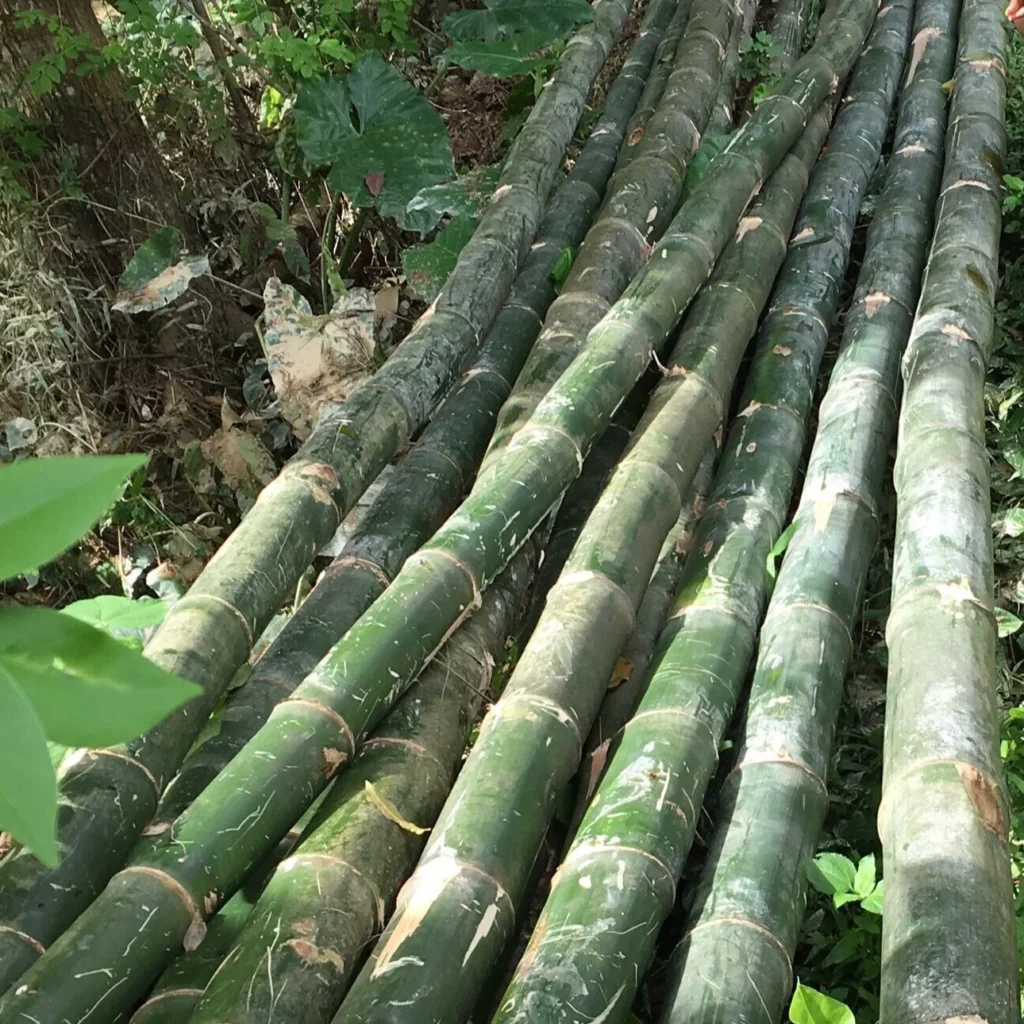
Kawayan Tinik (Bambusa blumeana)
The Dense Workhorse Prized for its high specific gravity and minimal shrinkage, Tinik is the structural anchor of Philippine bamboo. Its density makes it the ideal choice for heavy-duty framing and high-performance engineered bamboo.
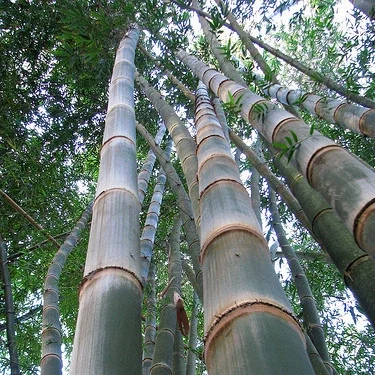
Giant Bamboo (Dendrocalamus asper)
The Industrial Powerhouse With massive diameters and incredible wall thickness, Giant Bamboo is built for scale. It offers the highest biomass yield, making it the preferred raw material for large-scale laminated beams and industrial applications.
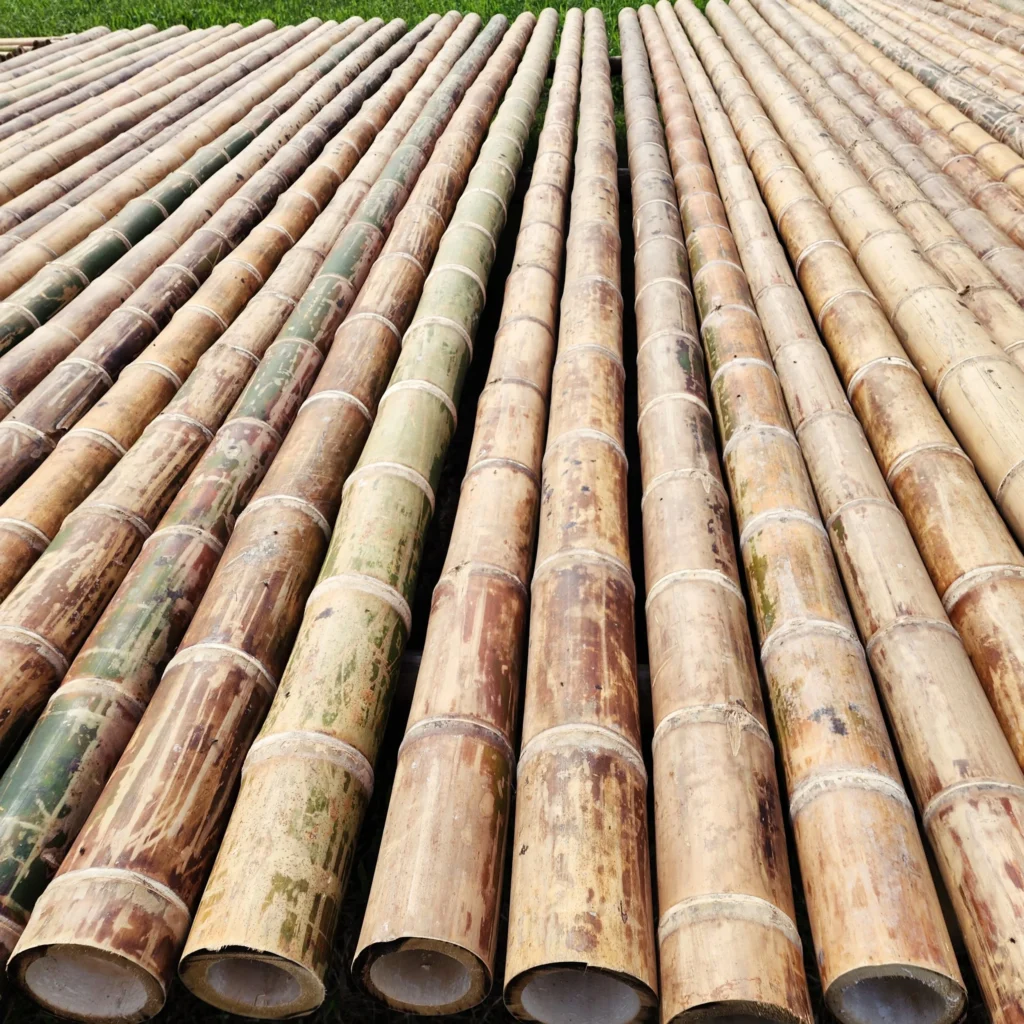
Guadua (Guadua angustifolia)
The “Vegetable Steel” Renowned globally for its exceptional load-bearing capacity and resilience, Guadua is the gold standard for architectural engineering. Its strength-to-weight ratio makes it a premier alternative to traditional structural materials.
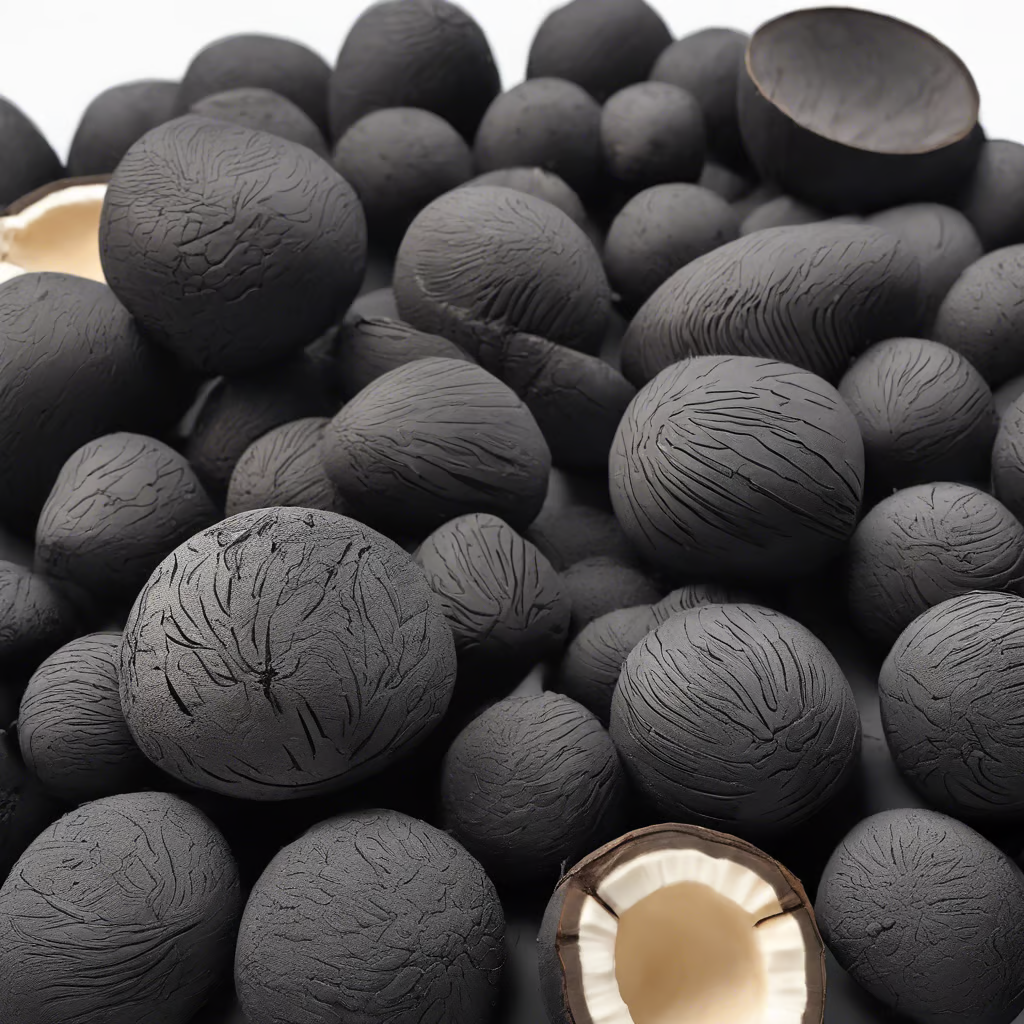
Coconut-Based Activated Carbon
Introduction:
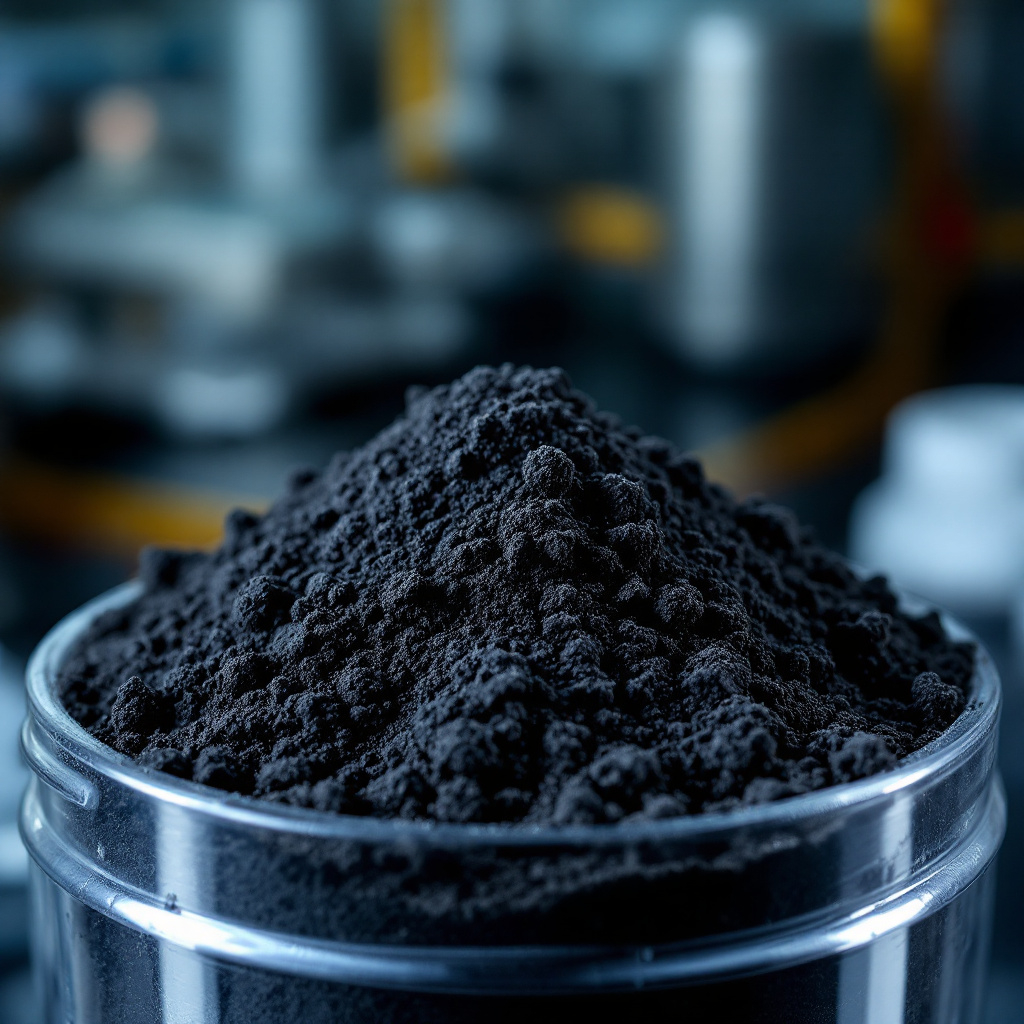
Activated carbon derived from coconut shells is a highly effective adsorbent material with a wide range of applications. Produced from a renewable resource, it offers a sustainable solution for purification and filtration needs.
Properties:
Coconut shell activated carbon has a highly porous structure with a large surface area, providing excellent adsorption capacity. It is known for its high hardness, purity, and low dust content.
Applications:
This material is widely used in water purification to remove impurities, odors, and colors. It is also effective in air filtration for removing pollutants and odors. Other applications include gold recovery in mining, removal of organic impurities in the food and beverage industry, and medical uses like blood filtering. It can also be used as a catalyst support.
Sustainability:
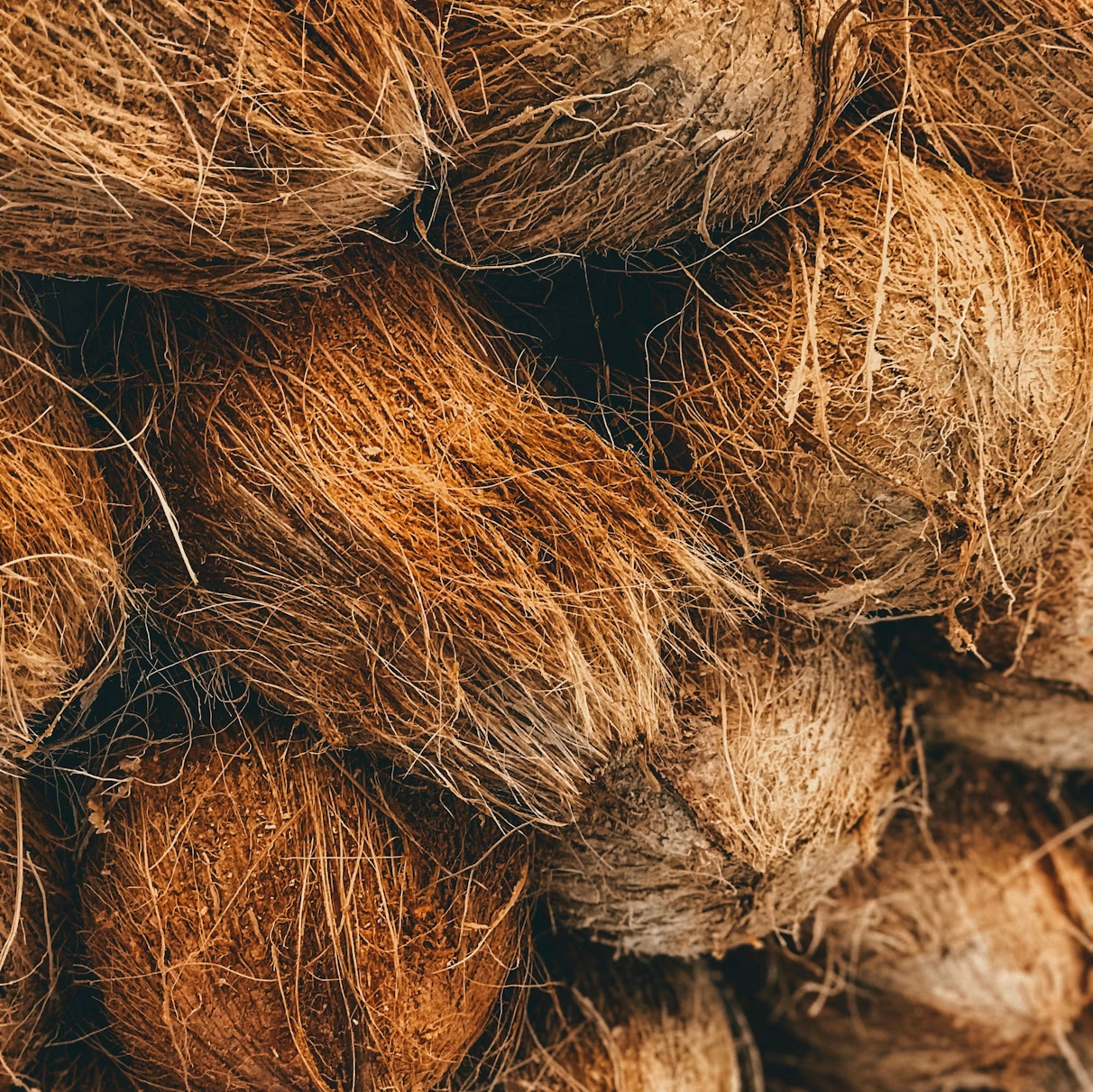
Utilizing coconut shells, often considered agricultural waste, to produce activated carbon promotes a circular economy and reduces environmental impact. Coconut trees are drought-tolerant and can grow in challenging coastal environments.
Abaca Fiber
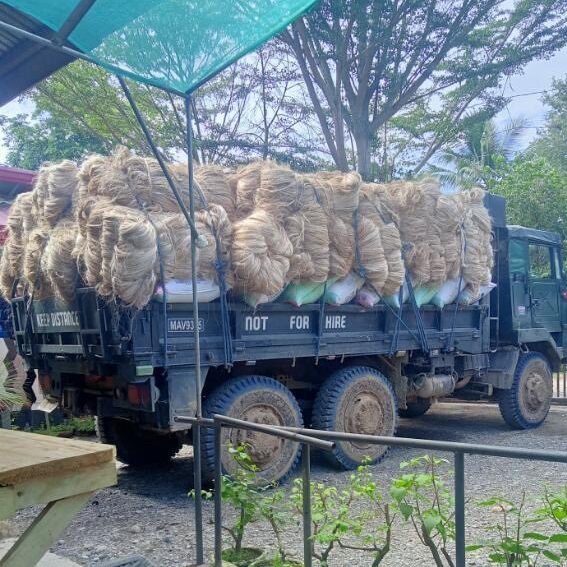
Abaca Fiber
Introduction:
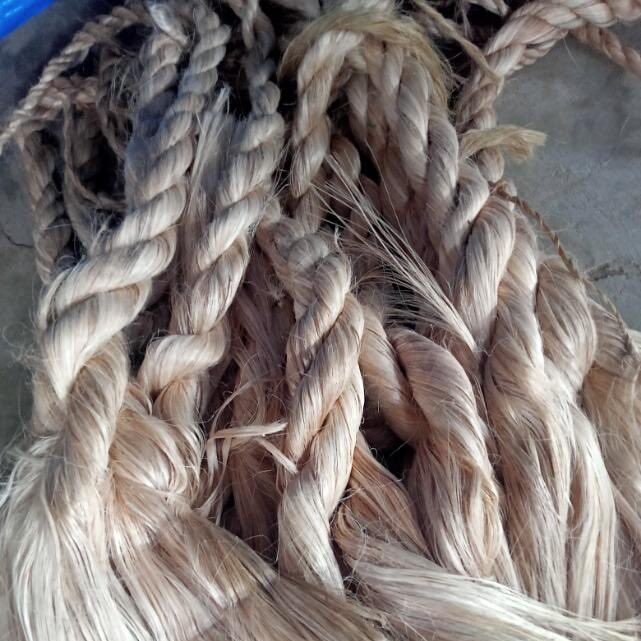
Abaca (Musa textilis), also known as Manila hemp, is a natural leaf fiber renowned for its exceptional strength, durability, and resistance to saltwater damage. Native to the Philippines, abaca is recognized as a sustainable and environmentally friendly resource.
Properties:
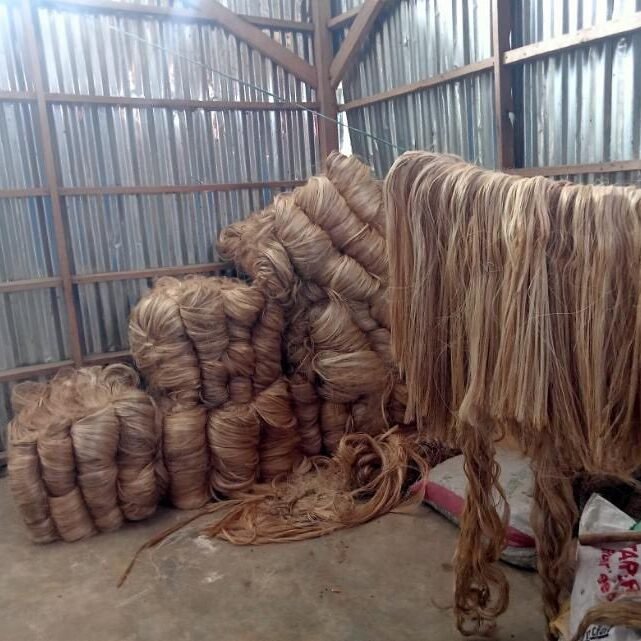
Abaca fibers possess high tensile strength and stiffness due to its rich cellulose content. Its long fiber length (often exceeding 3 meters) and resistance to saltwater make them suitable for demanding applications. Chemical treatments can further enhance their properties.
Applications:
Abaca fiber is increasingly used as a reinforcement in composite materials for automotive and construction industries. It shows promise as a sustainable cellulose fiber insulation material. Traditionally, abaca has been used for strong ropes, twines, nets, and durable textiles, particularly in maritime applications. It is also a valuable material in the paper industry for specialty papers requiring high strength.
Sustainability:
Abaca is a biodegradable and renewable fiber that requires minimal or no pesticides for cultivation, making it a sustainable choice. Its cultivation can aid in erosion control and biodiversity rehabilitation, especially when intercropped with coconut palms. Abaca waste can also be used as organic fertilizer.